 Regulatory Notices
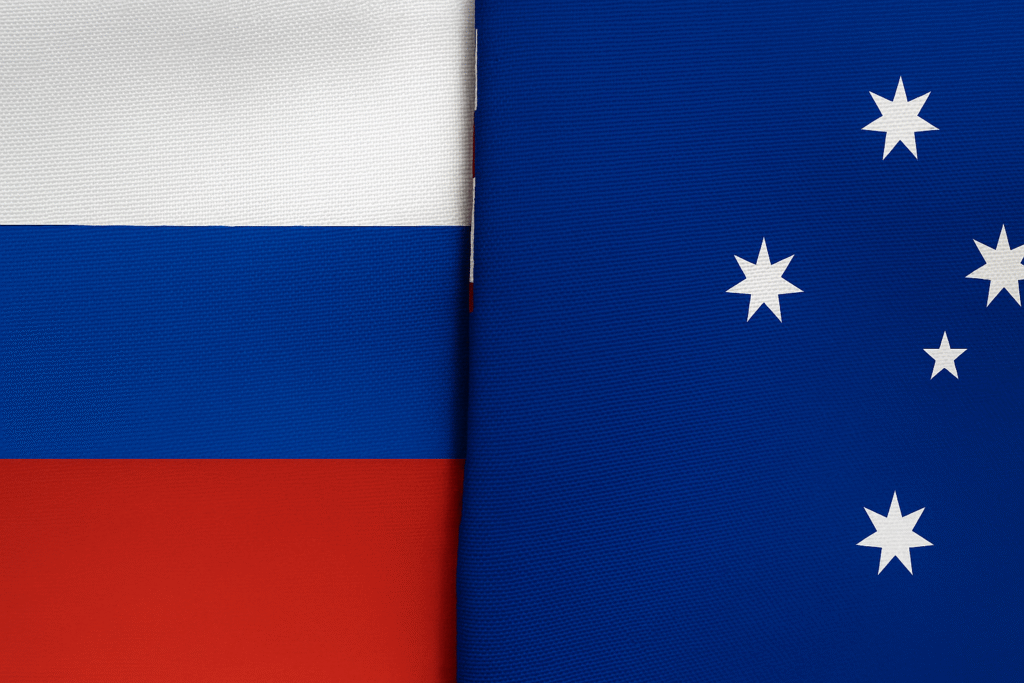
Australia Adds 44 Russian Targets to Sanctions List: Compliance Alert
Overview of Latest Sanctions Update
On June 26, 2025, Australia’s Department of Foreign Affairs and Trade (DFAT) formally designated 37 Russian individuals and 7 Russian organizations under its autonomous sanctions regime. These measures specifically target parties involved in actions undermining Ukraine’s sovereignty and territorial integrity.
While official public disclosure of the sanctioned names is pending final publication, this update has already been reflected in DFAT’s Consolidated Sanctions List.
Sanctions Legal Framework
The new designations fall under Australia’s Autonomous Sanctions Act 2011 and Autonomous Sanctions Regulations 2011. These regulations empower Australia to apply restrictive measures independently from United Nations Security Council mandates, addressing international peace and security concerns or violations of foreign territorial integrity.
For regulated financial entities, legal firms, and compliance teams, the applicable obligations include:
- Screening customer and counterparty lists against DFAT’s Consolidated List
- Freezing assets of listed individuals and entities
- Reporting any suspicious transactions or dealings to the Australian Transaction Reports and Analysis Centre (AUSTRAC)
Impact on Global KYC/AML Operations
For global KYC (Know Your Customer) and AML (Anti-Money Laundering) platforms, this update requires:
- Immediate review and update of sanctions screening databases to include the new DFAT entries
- Enhanced due diligence (EDD) measures on Russian-linked individuals and organizations, particularly where beneficial ownership or control structures may obscure links to sanctioned parties
- Ongoing monitoring of updates to DFAT’s Consolidated List, as Australia may publish names and additional information progressively
Relevance for Cross-Border Compliance Programs
Organizations operating across jurisdictions must ensure that DFAT’s sanctions are integrated alongside OFAC, EU, UN, and UK sanctions lists within their screening solutions. Notably:
- Australian sanctions may have extraterritorial compliance implications for entities with Australian financial services licenses, Australian customers, or operations in Australia
- Failure to comply with Australian sanctions can lead to significant civil and criminal penalties, including fines and imprisonment
Monitoring for Further Developments
As of mid-July 2025, the specific names of the 37 individuals and 7 organizations are anticipated to be published incrementally. Legal and compliance teams should actively monitor the DFAT website and associated regulatory updates.
Practical Compliance Recommendations
- Regularly synchronize all sanctions data feeds with DFAT’s Consolidated List
- Configure alert systems to flag transactions involving Russian counterparties, especially in sectors flagged for heightened risk (e.g., defense, financial services, energy)
- Conduct periodic audits to confirm sanctions compliance policies and procedures align with both domestic and international regulatory requirements